简体中文
简体中文 繁体中文
繁体中文

As 100-meter-class wind turbine blades rotate slowly across vast grasslands and blue offshore waters, continuous wind energy is converted into clean electricity to power millions of households and industrial operations. Behind this process lies the solid support of carbon fiber composite materials. For a long time, two persistent pain points — insufficient high-tow carbon fiber capacity and difficult disposal of retired blades — have constrained the wind power industry from upgrading toward a greener and more cost-effective direction. Today, the leapfrog growth of domestic high-tow carbon fiber capacity, combined with continuous breakthroughs in full-chain recyclable technologies, is forming a powerful synergy that drives a far-reaching transformation of the new energy sector.
High-Tow Capacity Surge: Powering New Energy with a "Cost-Effectiveness Engine"
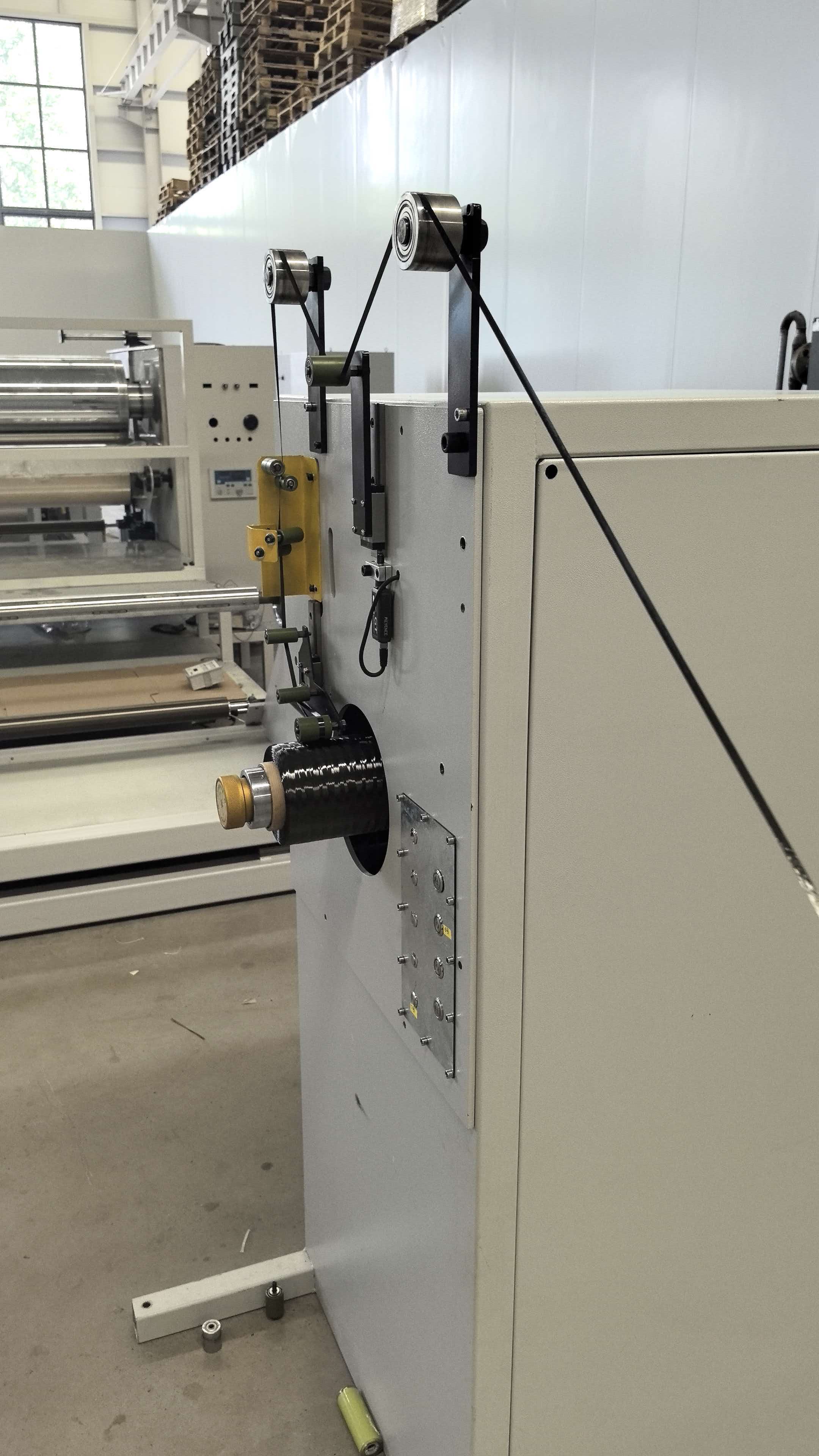
High-tow carbon fiber refers to products containing 48K or more monofilaments per tow. With its inherent advantages of low cost and high modulus, it has become the ideal material for wind turbine blade main beams and lightweight components of new energy vehicles. In the past, domestic high-tow carbon fiber capacity was severely insufficient, and core technologies were monopolized by a small number of overseas enterprises. This not only kept prices at an unreasonably high level but also made the supply rhythm completely subject to external control, directly pushing up the manufacturing cost of wind power equipment and delaying the large-scale popularization of new energy.
This situation has now been completely reversed. In 2026, the annual domestic high-tow carbon fiber production capacity exceeds 120,000 tons, accounting for over 60% of the global total, fundamentally eliminating import dependence. Leading upstream enterprises represented by Jilin Carbon Valley have continuously iterated their "dry-jet wet-spinning" precursor process, raising the yield rate of high-tow carbon fiber above 95% and cutting production costs by 50% compared with five years ago. This has brought the once "black gold" out of the niche high-end market, turning it into an affordable and sufficiently available basic material for the new energy industry. Downstream, this capacity dividend is being rapidly released: the manufacturing cost of carbon fiber main beams for 100-meter wind blades has dropped by 40%, further driving down the levelized cost of wind power and continuously expanding the economic advantages of onshore and nearshore wind power. In the new energy vehicle sector, high-tow carbon fiber composites are now widely applied in battery pack enclosures and body structural parts, achieving a 15% weight reduction for the whole vehicle while cutting component manufacturing costs by 60% compared with using imported materials. This makes carbon fiber lightweight no longer exclusive to premium models, but gradually accessible to mainstream family vehicles.
The capacity surge is not only reflected in figures but also in the construction of a complete localized supply chain ecosystem. Every production link — from carbon fiber precursor production and carbonization treatment to composite prepreg processing and component molding — has been fully localized in China, completely closing the last mile from raw materials to end equipment. In Dezhou, Shandong, enterprises represented by Xinze Composite Materials leverage local high-tow carbon fiber resources to develop dedicated carbon fiber materials, matching epoxy structural adhesives and grouting materials tailored for wind turbine foundation reinforcement and new energy station structure restoration. This provides a full set of localized solutions for new energy engineering projects, significantly shortening delivery cycles and reducing full-chain procurement costs.
Breakthrough in Full Recyclable Technology: Closing the "Green Loop" for New Energy
For a long time, the wind power industry has faced a "growing pain": early deployed wind power equipment has gradually entered the retirement phase. A large number of blades made of thermoset composites are non-biodegradable, and in the past they could only be disposed of through landfilling or incineration. This not only occupies land resources but also risks secondary pollution, leaving environmental hidden dangers at the end of the lifecycle for the so-called "zero-carbon" wind power industry. The emergence of full recyclable technology provides a perfect solution to this problem, enabling the new energy industry to truly achieve a full-chain green closed loop covering production, usage and recycling.
Currently, the full recyclable technology routes implemented in China cover the entire process from blade retirement to material regeneration. For retired blades, enterprises adopt on-site crushing processes to directly process waste composites into granular raw materials, realizing preliminary treatment without long-distance transportation and drastically reducing carbon emissions in the recycling phase. Through "flash recycling" technology, waste fiber-reinforced composites are directly converted into silicon carbide, which can not only enhance the durability of new wind power components but also synchronously produce hydrogen during the treatment process for secondary use as renewable energy. Other technical routes mix crushed blade materials as reinforcing fillers into 3D printing-specific plastics to produce supporting components for large-scale new energy equipment, realizing high-value secondary utilization of waste materials.
The industrialization of these recyclable technologies is completely reshaping the environmental profile of the new energy industry. In the past, the disposal cost of retired wind blades reached thousands of yuan per ton. Today, through full recyclable technologies, waste materials can be converted into high value-added recycled products, not only achieving break-even on disposal costs but also generating additional economic benefits. Several major wind power provinces in China have built large-scale wind power equipment recycling bases, forming a complete circular chain of "equipment manufacturing – station operation – retirement recycling – material regeneration", making wind power a truly full-lifecycle zero-carbon green energy.
Industry Landscape Reshaping Driven by Dual Engines
The surge of high-tow capacity solves the "high cost and supply bottleneck" pain points of the new energy industry, while full recyclable technology removes the "end-of-life disposal difficulty and unclosed loop" blockage. The combination of these two forces is reshaping the entire new energy industry landscape from multiple dimensions. At the supply chain level, the old global division system that relied on overseas materials and technologies has been completely broken, and localized full-chain supply chains have become the mainstream. This further enhances the global competitiveness of domestic new energy equipment, with the export volume of wind turbines and new energy vehicles continuously hitting new historical highs. At the technical route level, innovation directions previously restricted by cost and recycling issues have been fully activated. Longer wind blades, more lightweight new energy vehicles and larger-scale energy storage equipment are now being mass-produced, pushing the technological iteration of the entire new energy industry into a fast track. At the industrial value level, the new energy industry is no longer limited to single power generation, but has extended into new tracks such as composite material recycling and recycled material manufacturing, creating a large number of jobs and economic increments and becoming a new engine driving regional green economic development.
From being constrained by material costs, to being troubled by end-of-life environmental issues, and now achieving breakthroughs with the dual advantages of capacity and technology, China's new energy industry is forging its own path of high-quality development. The capacity confidence of high-tow carbon fiber, combined with the green capability of full recyclable technology, will continuously inject momentum into the entire industry, pushing us steadily toward a more affordable, cleaner and more sustainable future.